
Indonesia is introducing a new system for reporting strategic commodity exports. Launched on September 1, 2026, it will handle export data for coal, crude palm oil (CPO) and ferro-alloys during the initial phase. This article delves into the policy shift, and explain how it impacts global importers.
Background
On 1 September 2026, Indonesia officially launched a new export governance platform managed by Danantara Sumberdaya Indonesia (DSI), which operates as the export division of the state’s sovereign wealth manager, Danantara. Indonesian President Prabowo Subianto initiated the platform to establish analytical visibility over the country’s natural resource exports. Consequently, the primary objectives are to strictly combat under-invoicing and to prevent transfer pricing.
The new regulatory layer places over US 70 billion in annual trade flows under centralised government scrutiny. President Prabowo has repeatedly expressed concern that under-invoicing practices cost the Indonesian government billions of dollars in lost state revenue. By taking a more assertive stance, the administration is fundamentally changing compliance requirements for exporters and their global buyers. In just over two months leading up to the official launch, DSI established analytical visibility across 6,500 export declarations, representing more than US 14 billion in export value.
First Phase

The first phase of the DSI platform does not cover all exports. Instead, it strictly isolates specific sectors that supply global supply chains. According to industry announcements from late August 2026, the initial rollout targets thermal coal and crude palm oil, while also covering ferro-alloys. This shift is expected to impact international food and cosmetic supply chains, the heavy industry, as well as regional energy procurement. Stainless steel production and electric vehicle battery manufacturers will also face new verification steps.
Further Reading: The Major Ports and Shipping Routes in Indonesia 2024
Changes To Commercial Workflows
According to a meeting between DSI and industry associations, the platform is to act as an intermediary verification node, rather than a sole state exporter. This means that existing long-term commercial contracts remain intact. As a result, buyer-seller relationships are largely unaffected at the transaction level.
That said, exporters must now route their export declarations through the DSI digital platform. Once submitted, DSI connects the data with government ministries, including the Minerba Online Monitoring System, to cross-reference volume against global price benchmarks. Quality metrics are also subsequently verified against standardised market references.
NOTE: The intermediary model will run as a test phase through the end of 2026. Afterwards, in January 2027, the government will evaluate the effectiveness of the system. Officials will then decide whether the current oversight level is sufficient or whether DSI should transition into an active trading company.
Further Reading: Optimising Your Supply Chain for ASEAN Markets
Anticipated Impact
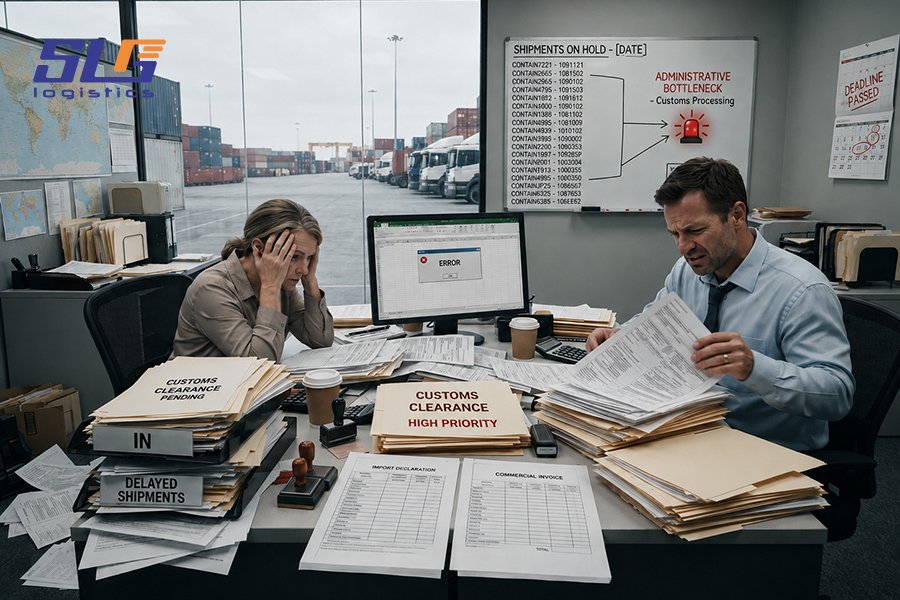
Indonesian suppliers must adapt to the new digital reporting requirements during the fourth quarter of 2026. Because of the shift, administrative bottlenecks at loading ports are highly probable as users navigate the transition period. Buyers should therefore prepare for two primary operational challenges.
Pricing Scrutiny Delays
DSI will compare declared prices with commodity benchmarks. Commodities traded via bilateral contracts with varying specifications face the risk of delayed clearance (and thereby incur demurrage charges) when declared prices deviate from state benchmarks. It should be noted that a difference between the two does not automatically indicate under-invoicing. The reason for the difference may lie in the grade, quality, contract terms or other costs attached to the shipment.
Take ferro-alloy contracts, for example. Two shipments described within the same broad commodity category may have different values because their specifications differ. An importer with a negotiated price should retain the documents that explain how that price was reached.
Cost Ambiguity
Industry groups, such as the Indonesian Employers Association (APINDO), have raised ongoing concerns regarding operational expenses. As of writing time, the groups are seeking clarity on whether DSI’s intermediary service will eventually introduce new administrative fees that inflate Free on Board (FOB) costs.
Compliance Strategies

Logistics planners should temporarily extend safety-stock calculations for the remainder of 2026. Extending buffers helps to absorb potential origin-port delays as DSI systems are beta-tested with live freight. To remain compliant, importers must also prioritise the following two internal audits.
Contract Auditing
Procurement teams should review active purchase orders and long-term contracts. The agreed price should be supported by the commodity grade, quality requirements, pricing formula and other terms used when the contract was negotiated. DSI has said that its price reviews will consider these factors when assessing export transactions.
Data Synchronisation
The information on purchase contracts, commercial invoices and shipping documents should match the information supplied by the Indonesian exporter for the DSI process. A discrepancy in quantity, product description or price can create additional work before the shipment is cleared for export.
Buffer Lead Times
Logistics teams should review Q4 2026 shipping schedules and allow some additional time where a shipment depends on a new export reporting process. The appropriate allowance will depend on the supplier, commodity and port involved.
Further Reading: How Do Holidays and Festivals Impact Shipping Times?
Conclusion
The launch of DSI fundamentally changes how raw materials leave Indonesia. Consequently, the new system demands a higher standard of data accuracy and regulatory awareness from global buyers. However, navigating the updated regulatory layers should not derail your supply chain.
SL Global Logistics specialises in managing complex freight routing across the UK-ASEAN corridor. Our dedicated in-house customs clearance brokers maintain a deep understanding of Southeast Asian trade frameworks. We guarantee your documentation is fully compliant, and our team keeps your cargo moving efficiently. Contact SL Global today for a comprehensive assessment of your Indonesian import strategy. Our experts will secure your supply chain against unexpected port delays.