
Thailand is actively accelerating negotiations toward a free trade agreement, with the government targeting completion of the Thailand EU FTA 2026 by the end of the year. The push is a direct response to growing uncertainty around US tariff policy and Thailand’s desire to drive supply chain diversification away from both US and Chinese networks.
Background
During a briefing in Bangkok, Thai Trade Representative Werapong Prapha explained that the country must diversify its trade networks rapidly to protect its export-driven economy. Werapong stated that major economic powers have weaponised trade, leaving mid-sized nations with no choice but to adapt their international partnerships. Although the US remains Thailand’s largest export market, ongoing tariff negotiations with the Trump administration have demonstrated the commercial risks of relying heavily on a single partner.
The EU represents an attractive alternative with over 450 million consumers and is Thailand’s fourth-largest trade partner. Domestic political instability in previous years slowed Thailand’s trade agenda, but the government is now actively seeking to recover that lost ground.
Current Negotiations
Negotiators from Bangkok and Brussels are scheduled to meet in Belgium later in June 2026 for the ninth round of official talks. With 11 of the 24 chapters already complete, the basic administrative groundwork is finished, but several sensitive topics require resolution:
- Pharmaceutical patents and agricultural tariffs
- Government procurement rules
- Intellectual property protections
- Energy and manufacturing regulations
To protect domestic industries from sudden competitive pressures, the Thai government plans to seek specific transition periods and domestic support measures. Werapong stated that officials will not rush negotiations if the process compromises national interests, even with roughly six months remaining before the year-end target.
ASEAN
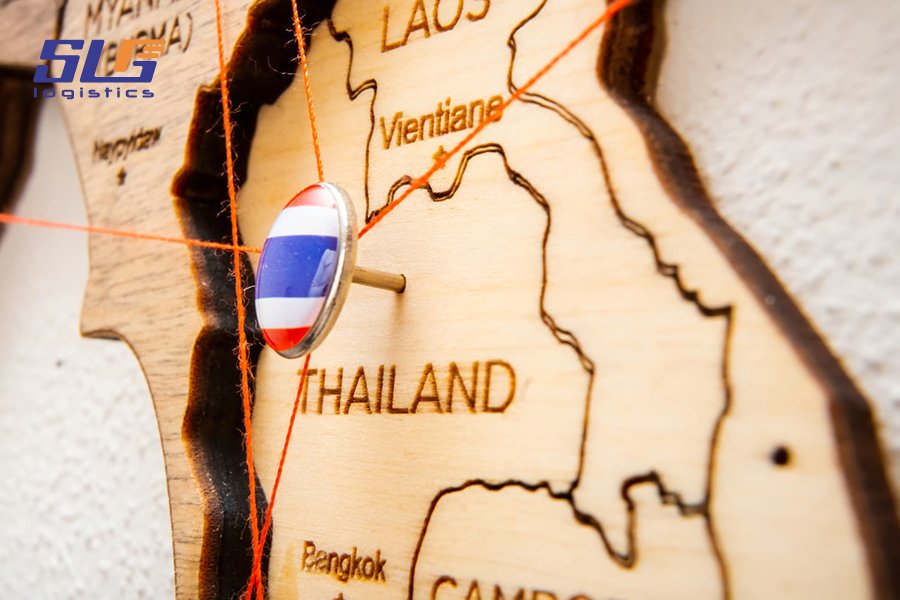
Thailand is aware it risks falling behind regional competitors in securing EU market access. For example, Singapore and Vietnam have already concluded FTAs with the EU. Indonesia has reached a political agreement with the bloc in 2025, while Malaysia and the Philippines advancing their own talks. Recognising these developments, Werapong warned that Thailand must avoid watching the world change without taking active steps.
Further Reading: EU Set to Elevate Ties with Vietnam Amid Trade Disruptions
What This Could Mean for UK Shippers
An EU-Thailand FTA, once finalised, would lower or eliminate customs duties for businesses operating within those regions. The UK is no longer an EU member, so the deal would not automatically benefit UK exporters. However, a concluded agreement could encourage progress toward a new bilateral UK-Thailand agreement. Furthermore, Bangkok’s drive to diversify supply chains toward European partners signals a growing appetite for Western imports, particularly in specialised sectors:
- Specialised manufacturing machinery
- Pharmaceuticals and healthcare products
- Industrial components and equipment
- Environmental and green technologies
Those managing sea freight operations or DDP shipping from the UK to Thailand should expect changes in regulatory standards as Thailand harmonises its rules with European practices. Importers must ensure that their customs clearance documentation and HS codes remain completely accurate to prevent delays as these new frameworks emerge.
Shipping to Thailand
As Thailand accelerates its free trade negotiations with the EU to secure supply chain diversity, businesses must prepare for shifting regulatory standards on the UK-to-Thailand route.
At SL Global Logistics, we manage commercial cargo from the UK to Thailand and can assist businesses navigating changes in this corridor. Please feel free to contact us to discuss your transport requirements.